Andrew grew up thinking about land from mountains to sea. At Clemson he has channeled that into watershed-scale restoration — Rosgen classification, HEC-RAS hydraulic modeling, ArcGIS watershed delineation, and the design of living systems that slow, spread, sink, store, and share water. He is the lead designer of the Hunnicutt Food Forest and PI on the Hunnicutt Creek CI project.
Paige brings both a systems-thinking lens and deep care for community to every project. She is a co-author and researcher on the Berkeley Orchard Senior Capstone — the stream restoration design for Tributary One — and has been a driving force behind the Food Forest's community outreach strategy, planting events, and site stewardship culture. Her emphasis is ecological engineering applied to living places people love.
Origin Story
How It Started
Andrew and Paige met in their sophomore year Introduction to Biosystems Engineering class at Clemson — and have been partners in both life and land work ever since. What started as shared curiosity over watershed systems and regenerative design grew into something much larger.
In Fall 2024 they co-founded Students for Stewardship — a Clemson student organization dedicated to ecological restoration, regenerative food production, and hands-on land stewardship. Within their first semester, Clemson University granted the club use of a hilltop site on East Campus at the headwaters of Hunnicutt Creek. The Hunnicutt Food Forest was born.
Their shared vision: the Food Forest isn't just a garden. It's a demonstration of what campus land can become when it's designed with intention — a permanent installation of productive native plants that feeds people, builds soil, slows stormwater, and connects the university to the community it sits inside.
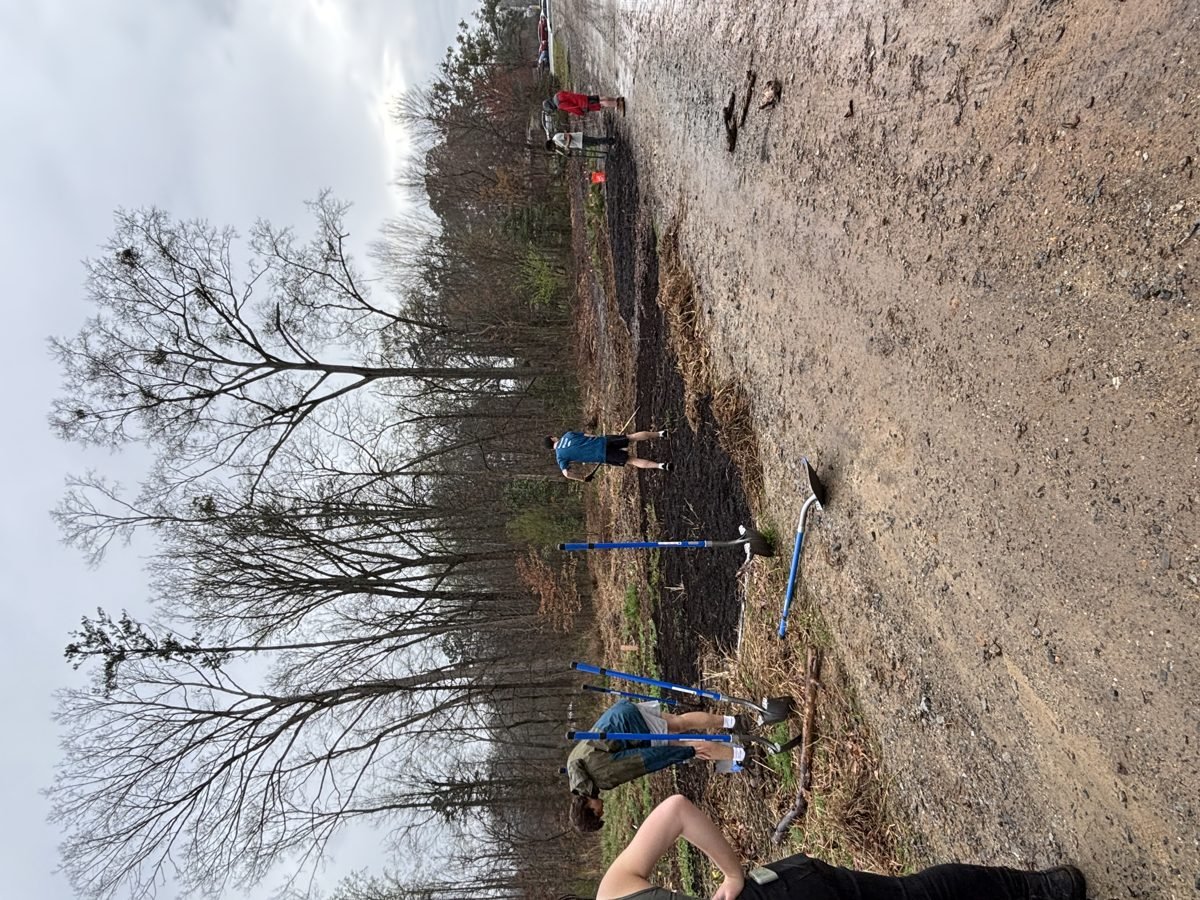
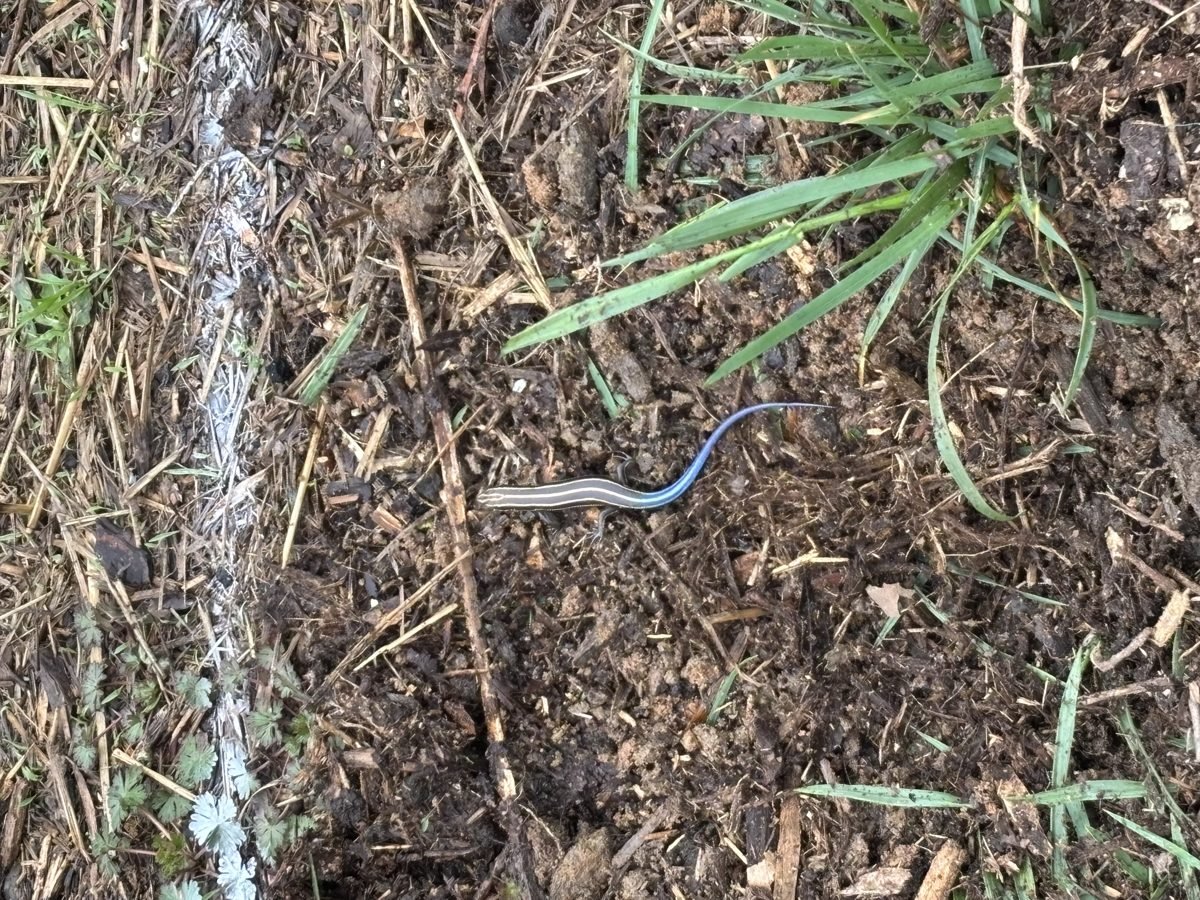
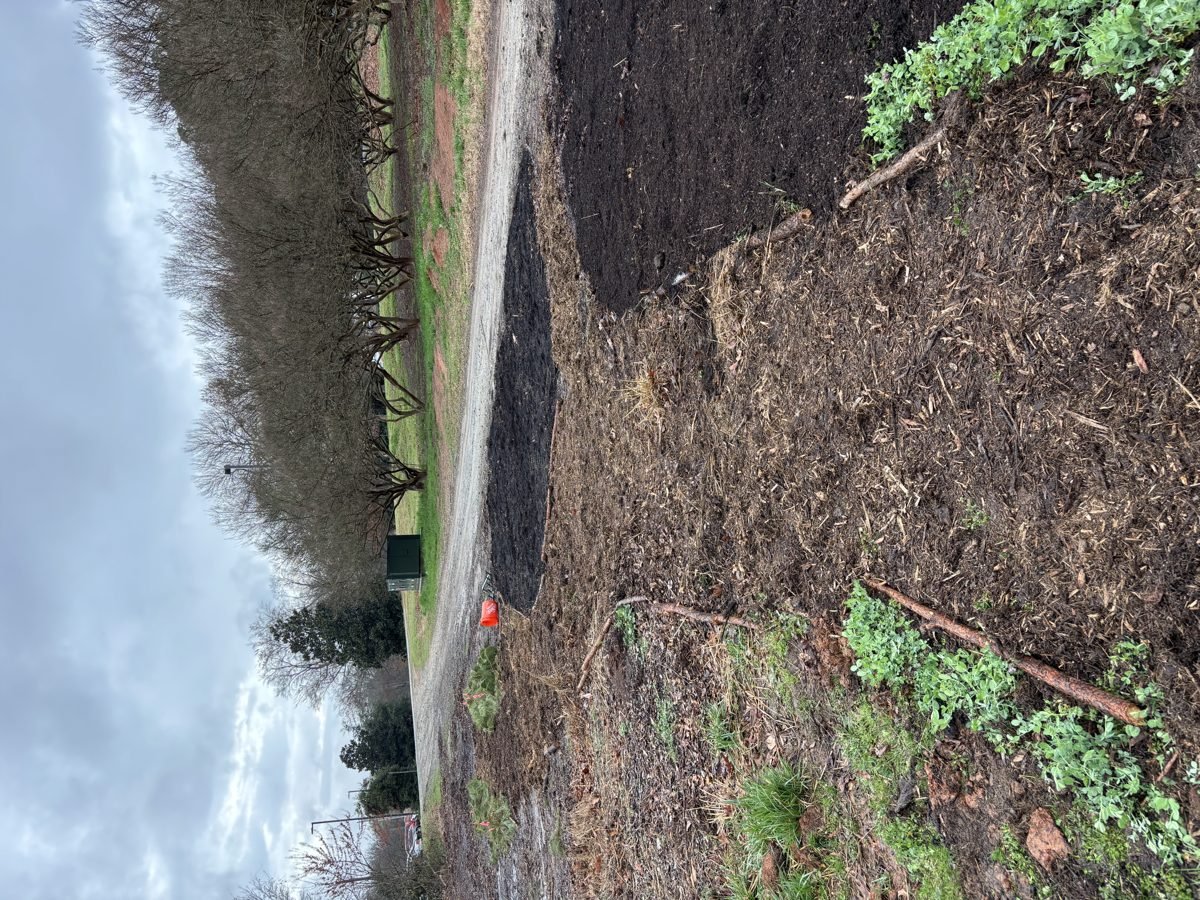
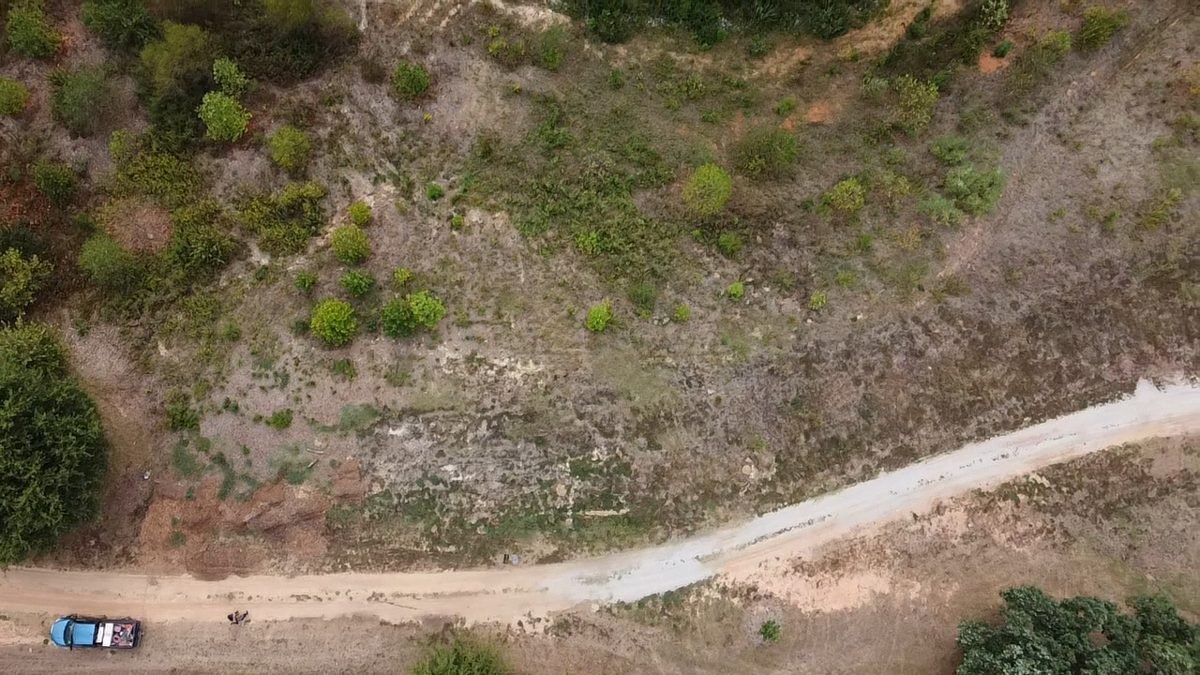
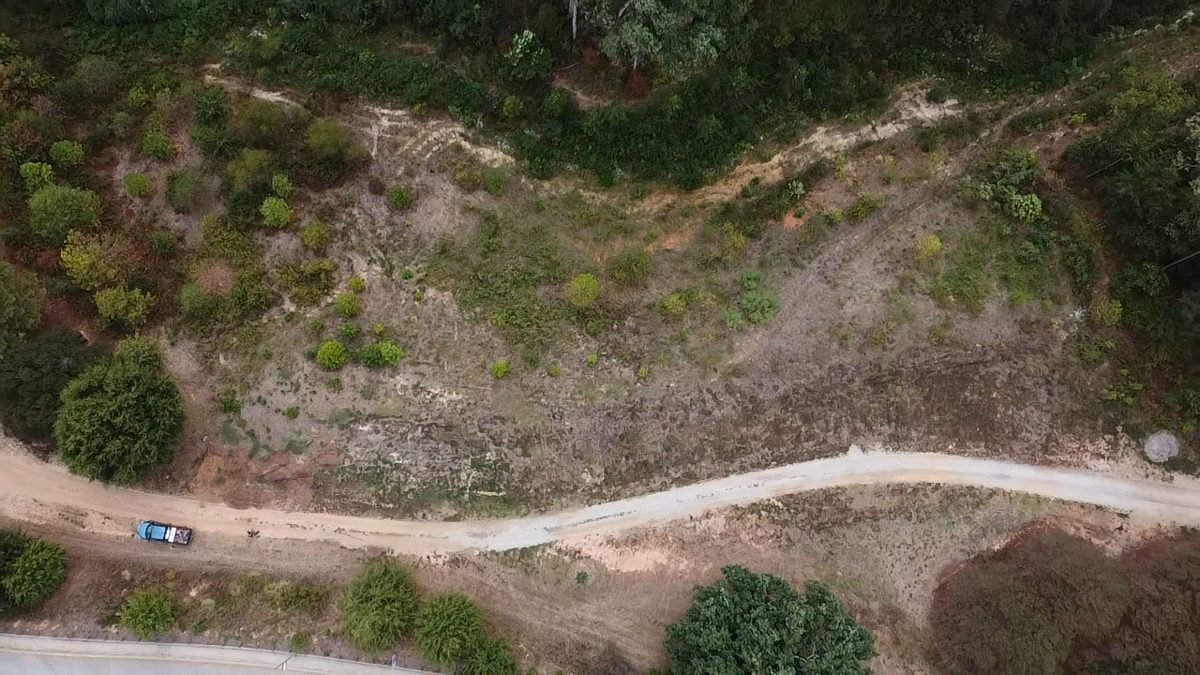
Above: Students for Stewardship at work on the Hunnicutt Food Forest site, and drone aerial photography from September 2024 showing the East Campus site at the headwaters of Hunnicutt Creek.
What We've Built
🌊 Berkeley Orchard Senior Capstone — Stream Restoration Design
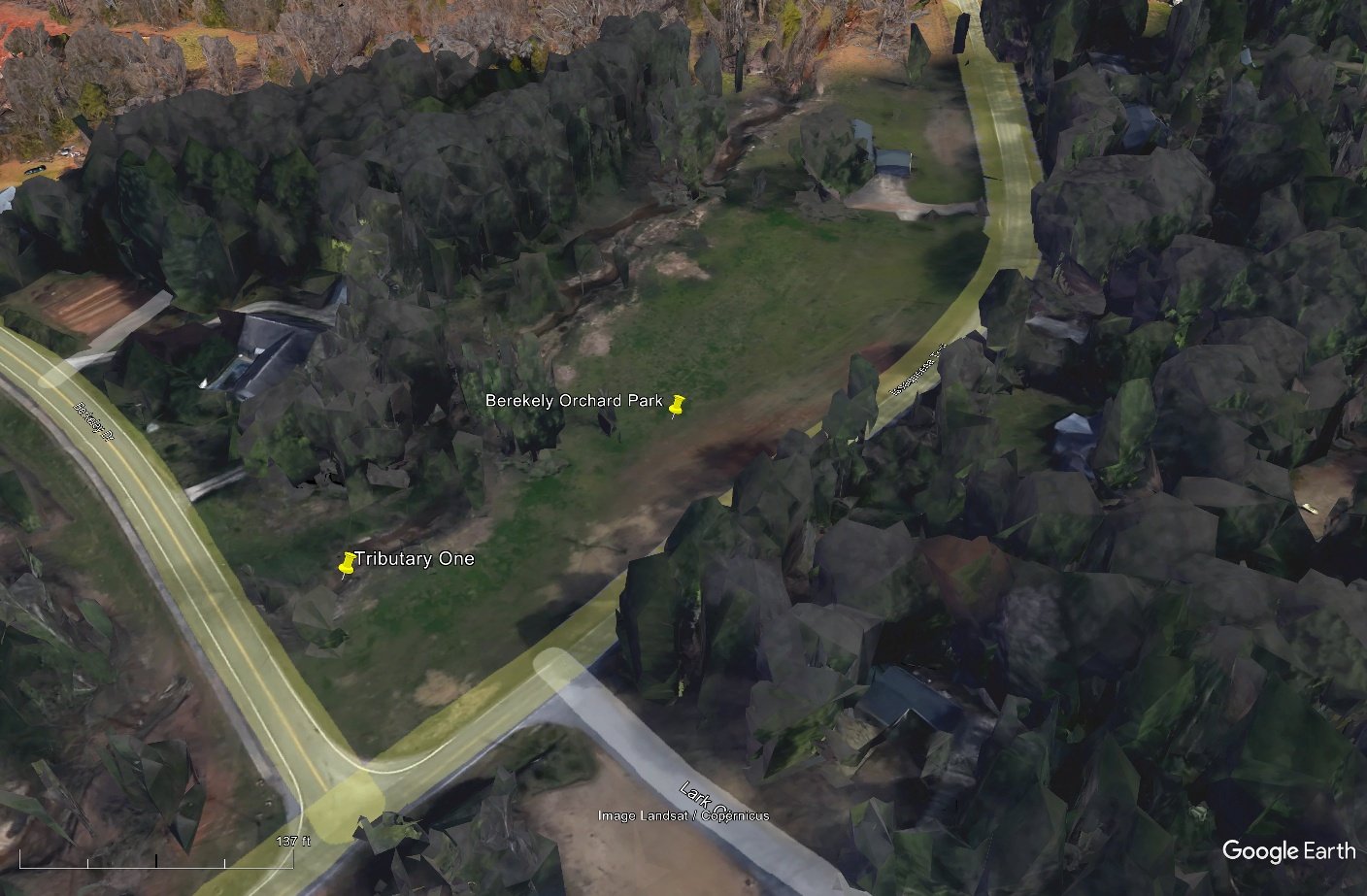
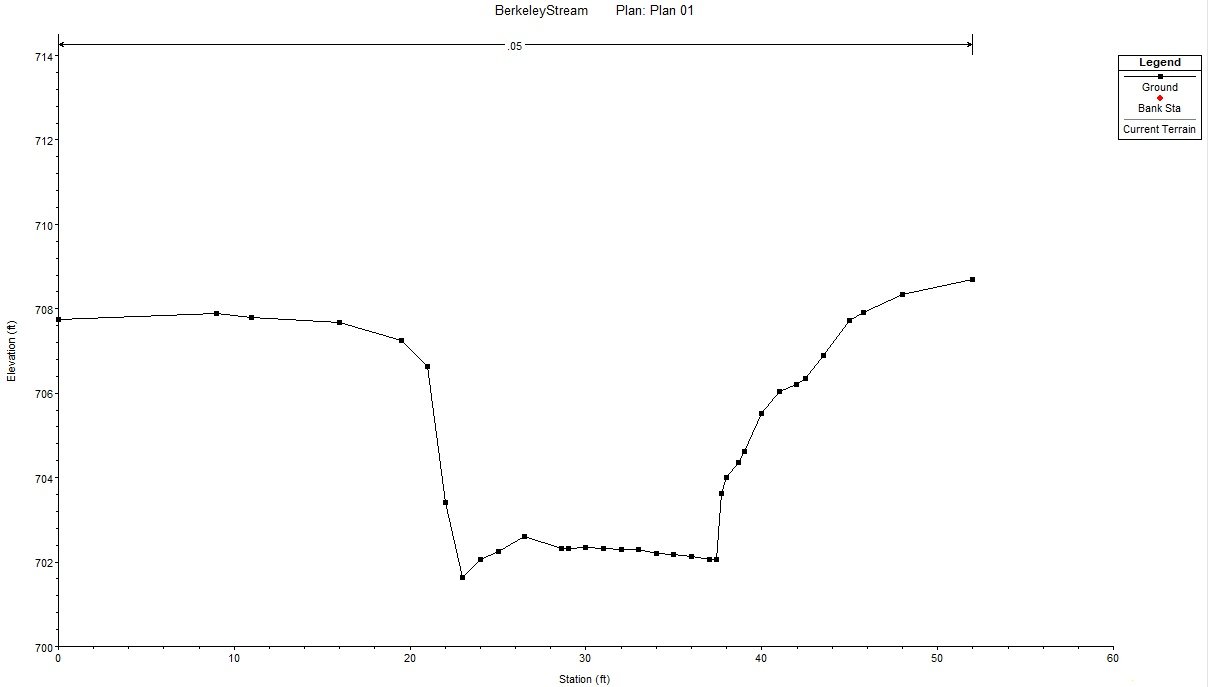
Together with teammates Connor Orosz and Allison Curl (advised by Dr. Christophe Darnault), Andrew and Paige designed a full preliminary stream restoration plan for Tributary One of Eighteen Mile Creek at Berkeley Orchard Park in Pendleton, SC. The degraded G4c/B4c channel was redesigned as a Rosgen C4 with terraced benches, cross vanes, toe wood, and integrated BMPs — producing a stream capacity increase of ~1.785 ac-ft, an entrenchment ratio improvement from 1.27 → 6.2, and velocity reduction of 25–55%.
🏞️ Clemson Downs Creek-Side Nature Walk — Bank Stabilization
Students for Stewardship partnered with Ryan Jones of Geometrix to provide student support on a severely degraded streambank stabilization project for the Clemson Downs retirement community creek-side nature walk. The eroded bank had made the walking path inaccessible and was generating significant sediment. The project brought students into a professional ecological engineering context — learning live-stake installation, bioengineering techniques, and floodplain restoration alongside a practicing stream restoration engineer.
🌱 Hunnicutt Creek Creative Inquiry — East Campus Restoration
Running in parallel with the Food Forest, Andrew leads a Creative Inquiry (CI) research project formally studying Hunnicutt Creek on Clemson's East Campus — generating baseline data, a digital twin database, and a restoration roadmap that informs both the Food Forest design and the broader East Campus stewardship plan. Presented at the 2026 Hydrogeology Symposium.
The Food Forest Vision
A multi-story, multi-function food forest at the headwaters of Hunnicutt Creek: native trees and shrubs in the canopy, fruit and nut production in the mid-story, herbs and ground covers below — all working together to filter runoff, build soil biology, and produce food for the campus community.
- 🌳Native canopy & mid-story species
- 🫐Edible understory & berry layers
- 💧Swales, berms & bio-filtration
- 🐝Pollinator corridors & habitat patches
- 🌾Herb spiral & annual production zones
- ♻️On-site composting & mycorrhizal systems
Community Partners
Urban food sovereignty, Anderson SC
Permaculture education, Seneca SC
Regenerative CSA, Six Mile SC
Stream restoration, professional partnership
Joint greenhouse propagation, plant lists
Get Involved
Students, community members, and organizations are all welcome. Whether you want to plant, learn, or partner — reach out.
✉️ ace4@clemson.edu 📸 @students4stewardshipWhat We're Reading
Recognition
Clemson University Sustainability Summit
CAFL Cultivate Entrepreneurship Program
Accepted abstract: Hunnicutt Creek headwaters restoration & digital twin